If you dream of waking up to mountain views, saddling up at home, and heading out on quiet country roads, Saddle Mountain Estates could be a great fit. You want space for horses, access to trails, and a property that works for daily care without constant surprises. In this guide, you’ll learn what to expect from local equestrian properties, where you can ride, typical price bands, and the key due diligence steps that protect your budget. Let’s dive in.
Why Saddle Mountain works for riders
Location and setting
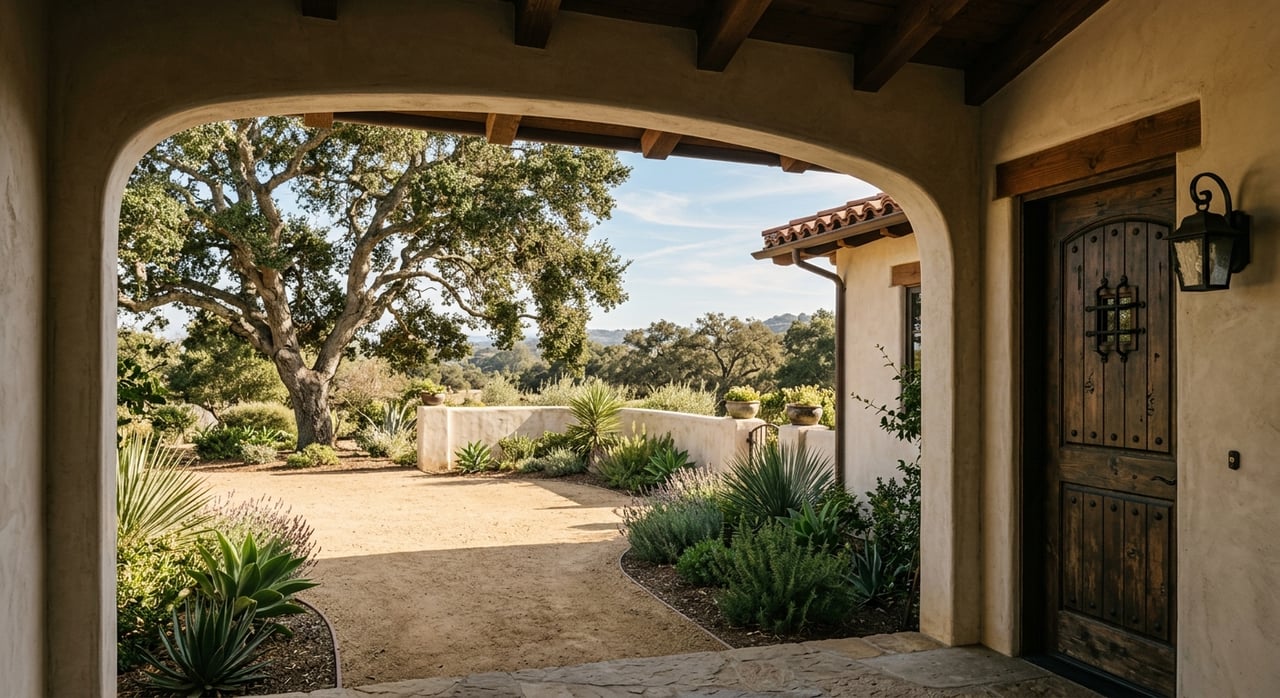
Saddle Mountain Estates sits above the Ojai Valley in the Oak View and Ojai area of Ventura County. You reach it from Highway 33 and Creek Road, then climb into a rural neighborhood of winding roads, privacy, and expansive views. Many parcels feel like country living while staying within a reasonable drive of town services.
Riding access options
You will find a mix of private, bridle-friendly roads for short hacks and a strong network of nearby multi-use routes. The County’s trail system, including the Ventura River and Ojai Valley corridors, offers equestrian access in designated areas. Explore routes and rules using the County’s Ventura County multi-use trail maps.
For longer days in the saddle, riders often trailer to Los Padres National Forest trailheads. These wilderness routes require planning and checking seasonal conditions, but the variety of terrain can make weekend rides memorable.
What to expect on properties
Parcels, barns, and fencing
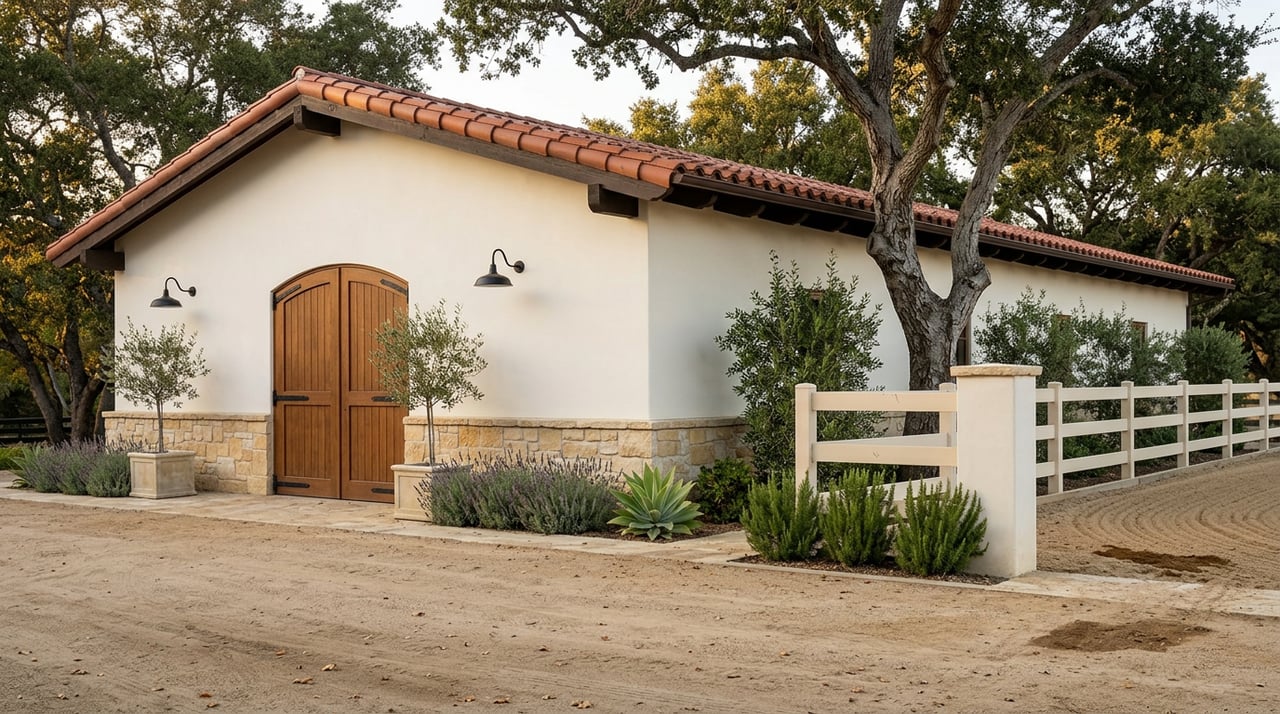
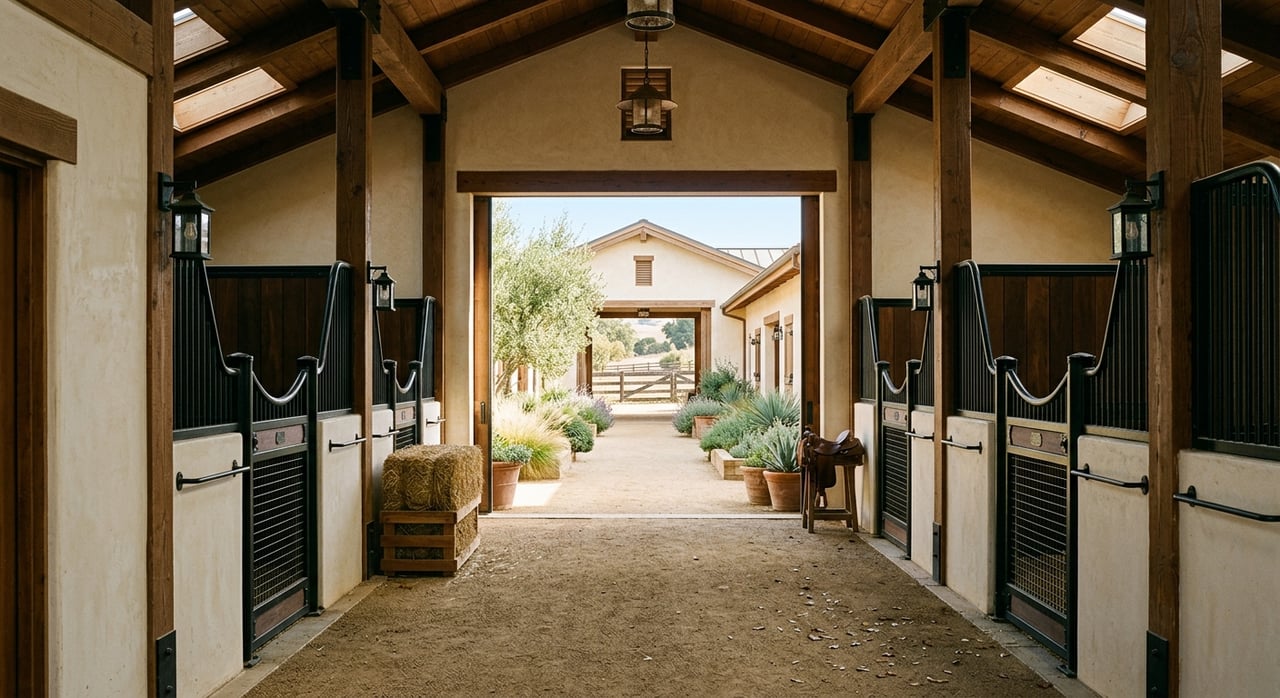
Most Saddle Mountain parcels range from roughly 2 to 5 acres, with some larger holdings. Many homes include practical equestrian improvements such as small to medium private barns, tack rooms, wash racks, and fenced turnout or paddocks. Owners frequently choose post-and-rail or pipe fencing for durability and visibility.
Arenas and right-size planning
Private arena footprints vary. Hobby riders often install compact rectangles, while serious riders aim for standard sizes. A full dressage arena measures 20 m by 60 m, and a small dressage arena is 20 m by 40 m. For many private facilities, a workable multi-purpose arena might be closer to 60 feet by 120 feet. For sizing guidance and common standards, review this overview of arena dimensions and considerations.
Stalls also vary by program. A common comfortable stall size for an adult riding horse is about 12 feet by 12 feet, with some owners opting larger for big breeds or for stall-plus-run layouts. See practical facility planning pointers in this summary of stable and arena design basics.
Footing, drainage, and site prep
Arena performance depends on good sub-base, grading, and drainage. Even a modest outdoor arena needs a properly engineered pad, managed runoff, and a plan that respects slopes, wells, septic fields, and neighboring parcels. Work with local contractors and be ready to follow county grading and erosion-control standards during permits.
Budget and value ranges
Inventory in Saddle Mountain can be thin, and each property is unique. As a general frame of reference, smaller equestrian setups on roughly 2 acres have traded under about 2 million dollars, often with modest barns. Many improved properties with 3 to 5 acres, fenced pastures, and upgraded barns are commonly seen between 2 and 4 million dollars. Larger estate holdings with extensive improvements, multiple outbuildings, or high-spec arenas can exceed 4 million dollars. Treat these as directional ranges rather than fixed rules, and always confirm current market conditions.
Due diligence checklist for equestrian buyers
Buying rural equestrian property takes careful verification. Use this checklist to protect your budget and timeline.
1) Jurisdiction and zoning
- Confirm the APN, jurisdiction, and zoning with Ventura County. Ask about permitted uses, setbacks, and whether boarding or training needs a conditional use permit. Review county planning materials and staff reports for process and environmental requirements. Start with the County’s planning records such as this planning staff report example.
2) Water supply: meter or well
- Determine if the property uses a public water meter or a private well. For public service, confirm meter status and any connection rules with the Casitas Municipal Water District. For wells, request the well log, recent yield test, and full potability lab results. Ventura County typically requires proof of adequate potable supply for discretionary development.
3) Septic and soils
- If the home is not on public sewer, obtain septic records and recent pumping reports. Talk with Ventura County Environmental Health about system capacity and permitted history. If you plan to add bedrooms or an ADU, expect percolation testing and right-sized septic design. The County’s water and wastewater policy framework is summarized in the Ventura County Water Management Plan.
4) Road access and equestrian easements
- Verify whether access roads are public or private and who maintains them. Confirm recorded easements for access and utilities. If trail access is essential, verify any bridle-trail easements on title rather than relying on marketing language.
5) Permits for barns, arenas, and operations
- New barns, arenas, grading, or commercial boarding can trigger building, grading, and possibly conditional use permits. Ventura County may require drainage, erosion control, and stormwater plans. For larger animal operations, confirm any required environmental checks. Use the County’s Initial Study and agricultural guidance to scope likely requirements, starting with this County CEQA topics guide.
6) Wildfire risk and insurance
- The Ojai Valley sits in a wildland-urban interface. Get insurance quotes early and plan for defensible space and hardening. The Ojai Valley Fire Safe Council offers local best practices and community resources. Review their guidance at the Ojai Valley Fire Safe Council.
7) Water rights and storage
- Confirm any shared-well agreements or recorded water-rights notes. Inventory tanks and pumps on site. If you plan to irrigate pastures or water an arena, estimate demand and consider drought curtailment risk. Contact your water purveyor, such as Casitas MWD, for policy details.
8) Environmental constraints
- Check for creek setbacks, oak woodlands, or habitat overlays that can affect fencing, grading, or new structures. County planning maps and staff can help you assess constraints early in due diligence. This county planning record example shows the level of review often involved.
9) Local equine services and logistics
- Identify vets, farriers, feed suppliers, and emergency haul-in options before closing. Ojai and nearby cities support a regional network of professionals. For a simple starting list and planning notes, see this regional equine services reference.
Living with wildfire in Saddle Mountain
Wildfire preparedness is part of rural life in the Ojai Valley. Plan for clear defensible space, ember-resistant vents, and practical evacuation routes for people and animals. Review local programs, grants, and best practices with the Ojai Valley Fire Safe Council. Budget for brush management, hardscaping near structures, and fire-wise materials when you update barns and fencing.
Local riding and orientation
- Public trails. Use the County’s multi-use trail maps to plan legal equestrian routes close to home.
- Wilderness rides. Many owners trailer to Forest Service trailheads for day or overnight rides. Check seasonal closures and conditions before you go.
- Guest experiences. For visiting friends and family, local resorts and outfitters sometimes offer guided rides. Call ahead to confirm current offerings and age or weight guidelines.
A smarter way to buy
Equestrian properties are as much about land infrastructure as they are about the house. When you combine water, septic, grading, and wildfire planning with your training goals, you make better offers and avoid costly surprises. If you want a curated search that matches your riding style, acreage needs, and permitting comfort level, the Patty Waltcher Team can help you evaluate options and connect you with trusted local contractors and consultants.
FAQs
What is Saddle Mountain Estates and where is it?
- Saddle Mountain Estates is a rural residential area above the Ojai Valley in Ventura County, generally accessed from Highway 33 and Creek Road, with many properties in unincorporated county jurisdiction.
Are there public horse trails near Saddle Mountain Estates?
- Yes. Ventura County manages multi-use routes, including the Ventura River and Ojai Valley corridors. See the County’s trail maps for equestrian access.
What size arena fits on a typical Saddle Mountain parcel?
- Many parcels are about 2 to 5 acres. Private arenas often range from compact rectangles to small dressage size, with some properties accommodating full 20 m by 60 m layouts.
Do I need permits to build a barn or arena in Ventura County?
- Most new barns, arenas, and grading need permits, and some operations may require a conditional use permit. Review County guidance such as the CEQA topics guide and confirm with planning staff.
How do I verify water for an equestrian property in Ojai?
- Ask if the property has a public meter or a private well. Confirm public service with Casitas Municipal Water District and obtain well logs, yield tests, and potability reports for private wells.
What should I know about wildfire and insurance in Saddle Mountain?
- Wildfire risk is meaningful in the Ojai Valley. Get quotes early and plan for defensible space and hardening. The Ojai Valley Fire Safe Council provides local best practices and resources.