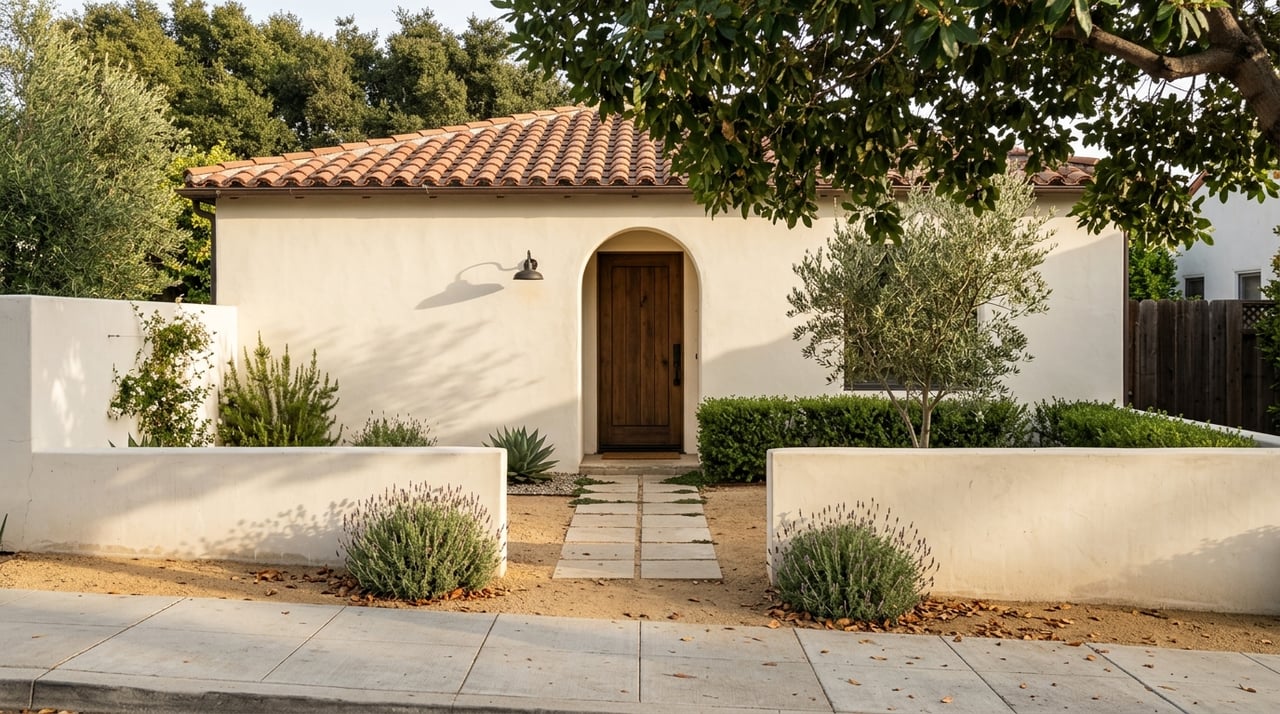
Downtown Ojai Walkable Homes: Is the Lifestyle a Fit?
May 7, 2026
May 7, 2026
If you picture daily life with coffee, errands, a park, and an evening event all within a short walk, downtown Ojai likely catches your attention fast. That kind of routine can be deeply appealing, especially if you are downsizing, relocating, or simply craving a more connected pace of life. The question is whether the lifestyle matches your needs, budget, and expectations. Let’s take a practical look at what downtown Ojai offers and where the tradeoffs come in.
Downtown Ojai is better understood as a compact village core than a typical suburban downtown. City planning documents describe it as a community organized around a quaint commercial district with boutique shops, art galleries, and cultural activity, with the Arcade serving as its visual, historical, economic, and geographic center.
That layout matters if walkability is high on your list. Instead of relying on large commercial corridors, downtown Ojai centers daily life around a close-knit mix of civic, cultural, and small-scale business uses. For many buyers, that creates a more intimate and usable version of walkable living.
Walk Score rates downtown Ojai at 78 out of 100 for walkability and 80 out of 100 for bikeability. In practical terms, that means many everyday errands can be handled on foot, which is a meaningful advantage in the Ojai Valley.
The appeal is not just about checking off errands. Downtown also puts you close to places that shape how a day feels, including Libbey Park, the Libbey Bowl, local arts programming, and historic walking routes promoted by the Ojai Valley Museum. If you want a lifestyle built around short walks to parks, events, and neighborhood-scale businesses, downtown Ojai stands out.
Libbey Park is one of downtown’s biggest lifestyle anchors. The city identifies it as a downtown park with tennis courts, a playground, a bandstand, Libbey Bowl, and space for community events.
That means a walkable lifestyle here is not just about convenience. It is also about access to public spaces where community life happens. For some buyers, that is a major reason downtown feels more vibrant than other parts of the valley.
If you are hoping to live without using a car much, downtown Ojai may be one of your best options in the valley. The city’s Complete Streets Master Plan notes that walking is a practical and popular way to get around town, and local transit options support that routine.
The Ojai Trolley provides downtown transportation, and Gold Coast Transit route 16 also serves downtown Ojai. The city also launched a pilot schedule in February 2026 to improve trolley frequency during peak periods, which helps make a semi-car-light routine more realistic.
Even with that convenience, most households will still find a car useful. The city’s Housing Element says access to the valley is constrained by limited routes and poor levels of service on State Highway 33, which is the main route in and out of the valley.
So while downtown Ojai can support your day-to-day routine on foot, it is not the same as living in a dense urban center with broad transit coverage. If your work, appointments, or family routines regularly pull you outside the core, that distinction matters.
A walkable downtown lifestyle often comes with a different housing mix than buyers first expect. In Ojai overall, about 68.9% of housing units are single-family detached, about 22% are multifamily, and about 9.2% are single-family attached, according to the city’s Housing Element.
The housing stock is also generally older. The same city document says most units were built before 1990, and more than 80% were built before 1980, which the city ties to future rehabilitation needs.
For buyers drawn to downtown charm, this is an important reality check. Character, location, and smaller-scale living can be appealing, but they may come with maintenance needs that are less common in newer housing.
That is especially relevant for downsizers who want simplicity. A smaller footprint can reduce some day-to-day upkeep, but an older home may still require repairs, updates, or ongoing attention over time.
Recent spring 2026 sales in downtown Ojai included homes of 864, 960, and 1,120 square feet. That does not define every property in the neighborhood, but it does show that smaller detached homes are part of the downtown housing mix.
If your goal is to trade square footage for location and convenience, that can be a plus. If you need more interior space, a larger lot, or newer construction, downtown may feel more limiting.
Downtown Ojai is not defined by large new subdivisions. Instead, the city’s zoning framework supports infill development in existing urbanized areas, especially through the Village Mixed Use district.
The city also permits accessory dwelling units in all residential zones and in the Village Mixed Use district, and it approved more than 120 ADUs during the prior housing-element cycle. That flexibility matters because it shows how the city is accommodating housing within its existing fabric rather than expanding outward in a more suburban pattern.
Walkability is real in downtown Ojai, but so are the compromises. If you are serious about buying here, it helps to weigh the lifestyle benefits against the parts of downtown living that may affect your routine.
For many buyers, the biggest tradeoffs are event activity, parking pressure, and the fact that downtown life is more shared and public by nature. That is part of what creates energy, but it can also limit privacy and predictability.
Libbey Park hosts several legacy festivals and major events, including the Ojai Tennis Tournament, Ojai Music Festival, Lavender Festival, and Ojai Day. The city also notes that Libbey Bowl hosts a concert series with between 10 and 24 events each year.
The city’s special events policy also says Ojai Avenue and or Signal Street may close for music, car shows, and special activities. If you live nearby, that can mean periodic noise, added foot traffic, and a busier atmosphere during event periods.
Downtown parking exists, but it functions as a managed civic resource. The city identifies public parking lots at East Libbey, Matilija and Aliso, Lower Libbey, Arcade Plaza, and City Hall, with ongoing resurfacing work listed in the city’s capital improvement program.
That is helpful, but it does not mean unlimited convenience. During busy weekends or event times, parking pressure is part of the downtown experience, which is worth considering if easy vehicle access is a priority for you.
Downtown Ojai is not the valley’s budget option. In March 2026, the median sale price in downtown Ojai was $1,650,000, with a median sale price per square foot of $1.24K.
By comparison, Ojai citywide posted a median sale price of $1,085,000 and a median price per square foot of $803 in the same period. That gap suggests buyers are paying a real premium for location, walkability, and the downtown lifestyle.
The same market data shows nearby areas at lower price points. Meiners Oaks was around $1.5M median, Oak View around $1.192M, and Mira Monte around $885K, with lower price-per-square-foot figures than downtown Ojai.
That does not make one area better than another. It simply means downtown Ojai tends to attract buyers who are willing to pay more for a village-center setting and a more walkable routine.
Downtown Ojai also tends to be more competitive than the city overall. Market data gave downtown a 78 out of 100 competition score versus 53 out of 100 for Ojai citywide.
For you as a buyer, that can mean fewer options and less time to decide when a well-located property hits the market. If walkability is a must-have, being clear on your priorities before you start touring can help you move with more confidence.
Downtown Ojai is often a strong fit if you want your routine centered around walking, parks, arts venues, and neighborhood-scale commerce. It can be especially appealing if you are downsizing or relocating and feel comfortable trading lot size, newer construction, and parking ease for convenience, character, and a true village center.
It may be less appealing if you need a larger home, a quieter setting during event season, or a property with fewer maintenance concerns. In that case, nearby alternatives may offer a different balance of space, price, and pace.
The best thing about downtown Ojai is that its walkability is tied to real places and daily habits, not just a map score. You can walk to parks, cultural venues, and local businesses, and that creates a lifestyle many buyers find hard to replicate elsewhere in the valley.
At the same time, the premium pricing, older housing stock, event activity, and shared parking are not small details. If those tradeoffs feel manageable in exchange for a more connected and village-like routine, downtown Ojai may be exactly the right fit for you.
If you want help weighing downtown Ojai against Mira Monte, Oak View, or other parts of the valley, the Patty Waltcher Team can help you compare lifestyle, inventory, and long-term fit with a local perspective.
Stay up to date on the latest real estate trends.
Our clients have made us the top selling team in the greater Ojai Valley for the past decade. Experience the difference our taste and dedication can provide.
PATTY WALTCHER | CA DRE #01176473
730 East Ojai Av
Ojai CA 93023