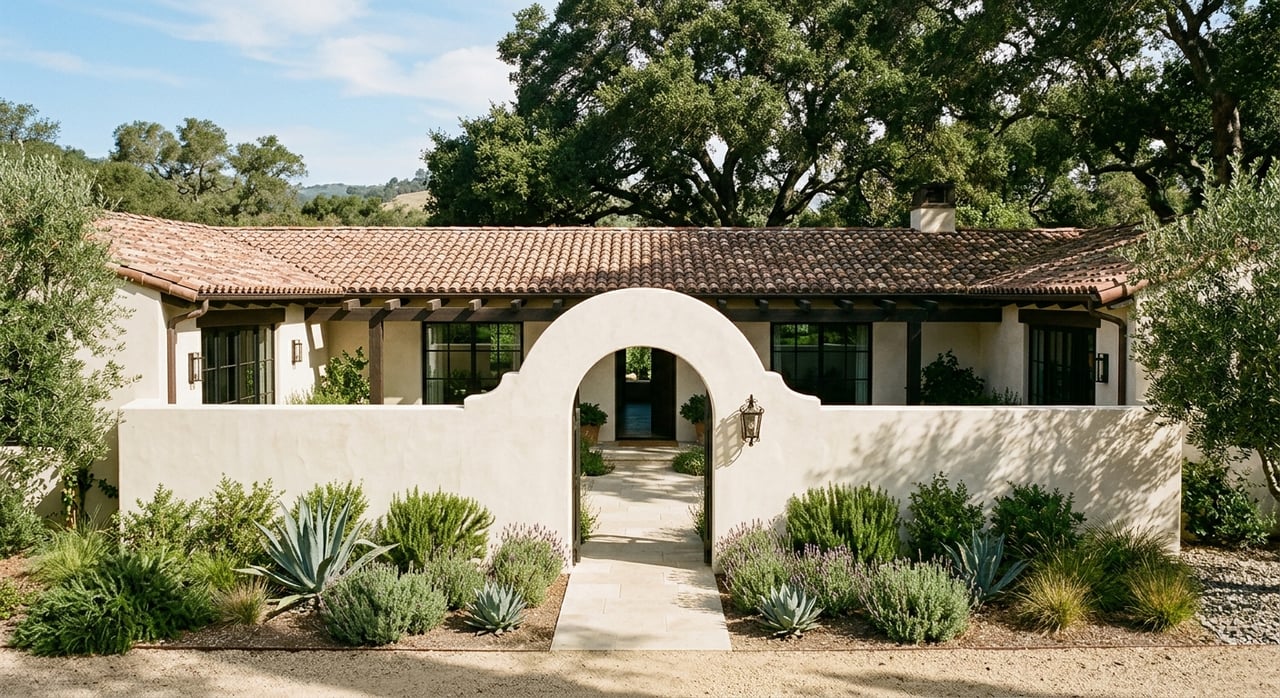
Shopping for a distinctive Santa Barbara estate and finding that traditional loans do not quite fit? You are not alone. Many architect-designed homes, coastal properties, and acreage here fall outside standard lending boxes. In this guide, you will learn what a portfolio mortgage is, how it compares to conventional and jumbo loans, when it makes sense locally, and how to position your application for success. Let’s dive in.
Portfolio mortgage basics
A portfolio mortgage is a home loan that the lender keeps on its own books instead of selling to Fannie Mae or Freddie Mac. Because the lender holds the risk, it can apply its own underwriting and make thoughtful exceptions for unique properties or borrower profiles.
These loans are typically offered by local and regional banks, credit unions, private banks, and boutique lenders. Mortgage brokers may also place borrowers with portfolio lenders. Terms vary by institution, but common themes include more flexibility on property and documentation, higher reserve and down payment expectations, and detailed appraisals.
Portfolio vs. conventional and jumbo
- Secondary-market status: Conforming loans meet Fannie Mae and Freddie Mac rules and are usually sold. Jumbo loans exceed conforming limits and often target investors. Portfolio loans are held by the originating lender and follow internal standards.
- Property flexibility: Conforming and many jumbo products prefer standard property types. Portfolio loans can work for nonstandard construction, historic homes, expansive acreage, mixed-use elements, and non-warrantable condos.
- Underwriting approach: Conforming products use uniform rules. Portfolio loans may consider alternative documentation, asset strength, and borrower relationships.
- Pricing and features: Portfolio loans often carry higher rates or fees and may offer tailored structures such as interest-only options. Availability depends on the lender’s balance sheet and risk appetite.
When a portfolio loan makes sense in Santa Barbara
Santa Barbara’s luxury market includes ocean-view estates, architect-forward homes, historic properties, and rural acreage. Many of these do not fit conventional guidelines. A portfolio loan can be useful when:
- You are buying a large estate or acreage with mixed uses, multiple parcels, or nonstandard access.
- The home is architect-designed with unique materials, custom features, or limited comparable sales.
- The property is historic or subject to preservation easements that affect renovations and marketability.
- The condo is non-warrantable or part of a small HOA with reserve or ownership concentration issues.
- The property includes mixed-use elements such as an owner-occupied business area or guesthouse income.
- You plan to purchase in a trust or LLC and need a lender comfortable with entity ownership.
- The home relies on nonstandard utilities like private wells, septic systems, off-grid power, or private roads.
Local realities like wildfire exposure in hillside and rural zones, coastal hazard considerations, and on-site systems can complicate underwriting. Portfolio lenders often have pathways to evaluate and accept these factors.
What lenders evaluate
Borrower profile
Portfolio lenders typically favor strong credit, substantial liquid assets, and stable income. They may also consider asset-based underwriting. Expect:
- Credit: Higher scores strengthen your position. Lower scores may be considered with pricing adjustments.
- Income and assets: Traditional documentation or asset-based methods may be used for high-net-worth buyers.
- Reserves: Several months of PITI are common, and more may be required for complex or high-value properties.
- Down payment: Often 20 to 40 percent, depending on property type and risk.
- Debt-to-income: Lenders may take a conservative view for significant properties with higher upkeep.
- Entity ownership: Loans to trusts or LLCs are often possible with added documentation and potential personal guarantees.
Property underwriting
Unique homes require deeper collateral review. Lenders often look for:
- Appraisal support: Specialty appraisers, wider search for comparables, and reliance on cost or income approaches when comps are limited.
- Clear title and access: Easements, rights-of-way, and any conservation or historic covenants are reviewed closely.
- Utilities and systems: Verification that wells, septic, private roads, or private waste systems meet standards.
- Insurance feasibility: Evidence of bindable hazard coverage, with attention to wildfire and coastal exposures.
Appraisals, insurance, and timeline
For architect-designed homes and large estates, appraisers may lean on the cost approach when comparables are scarce. If the property generates rental or agricultural income, the income approach may also be used. Selecting an appraiser with Santa Barbara luxury and rural experience helps reduce surprises.
Insurance is a key hurdle. In higher wildfire areas, insurers may ask for risk mitigation and may offer policies with different pricing or deductibles. Coastal properties can require specialized flood and coastal coverage. On acreage, lenders may ask for ALTA surveys and specific title endorsements for shared roads or off-site improvements.
Timelines can vary. Specialized appraisals and underwriting reviews can add time, while established relationships at private banks may streamline decisions. Build appraisal and insurance milestones into your offer strategy.
Pros and cons
Pros
- Financing access for unique or complex properties.
- Custom underwriting that recognizes asset strength and borrower relationships.
- Flexibility for trusts, LLCs, and mixed-use elements.
Cons
- Rates and fees are often higher than conforming options.
- Larger reserve and down payment requirements.
- Potential for nonstandard features like prepayment penalties or balloon terms.
- Refinancing options can be more limited if lender strategies change.
Smart steps before you shop
- Map lender options: Speak with community banks, private banks, and specialized lenders to compare appetite and terms for your property type.
- Prepare documentation: Organize statements, tax returns if applicable, and entity documents for trusts or LLCs.
- Pre-approval early: Align price range and structure with a lender comfortable with your target property.
- Appraisal strategy: For highly unique homes, consider a pre-listing or early desk review to anticipate valuation challenges.
- Insurance check: Obtain preliminary quotes, especially in wildfire or coastal zones, before writing an offer.
- Offer structure: Use contingencies tailored to appraisal, title, and insurability to manage risk.
Questions to ask a lender
- Do you offer portfolio loans for properties like mine, and will you confirm acceptable property types in writing?
- Will you keep my loan on your books or sell it later? If it might be sold, how could that affect terms?
- Are your portfolio products QM or non-QM, and what borrower protections apply?
- What interest rate range, down payment, and reserve levels do you expect for this property?
- Are there prepayment penalties, balloon features, or interest-only options?
- How do you handle limited comps? Will you accept cost or income approaches on this property type?
- What title endorsements, surveys, or access verifications will you require for acreage or private roads?
- Will you lend to an LLC or trust, and do you require personal guarantees?
- What insurance coverages and deductibles do you require for wildfire or coastal exposure?
- What is the expected timeline from application to closing, including appraisal scheduling and review?
Make your offer stronger
You can strengthen your position by pairing pre-approval with early insurance verification and a clear plan for appraisal. If you are buying through a trust or LLC, line up entity documents and decision-makers early. Build time for specialty appraisals into your offer and consider contingency timelines that reflect the complexity of the property.
Santa Barbara’s most memorable homes deserve financing that respects their character and complexity. A well-structured portfolio mortgage can provide that fit when traditional options fall short.
Ready to explore properties that might benefit from portfolio financing and a tailored strategy? Connect with the Patty Waltcher Team to get local guidance that aligns with your goals.
FAQs
What is a portfolio mortgage in Santa Barbara?
- It is a home loan that the lender keeps on its own books, allowing flexible underwriting for unique properties common in Santa Barbara, such as architect-designed homes and acreage.
Are portfolio mortgage rates higher than jumbo loans?
- Often yes; portfolio loans typically carry higher rates or fees than conforming options, and pricing can vary by lender and property complexity.
Can I use a portfolio loan if I buy through a trust or LLC?
- Many portfolio lenders will consider trusts or LLCs with additional documentation and possible personal guarantees, though terms can be stricter.
Will wildfire or coastal risk affect portfolio loan approval?
- Lenders typically require evidence of bindable insurance and may review wildfire hardening, flood needs, and coastal exposure before approving the loan.
How long does a portfolio mortgage take to close on a luxury estate?
- Timelines vary; specialty appraisals and underwriting reviews can add time, while established banking relationships may speed decisions.